How Many Cigarettes a Day Is Safe?
April 24, 2025
When talking about cigarette use, one question frequently comes up: How many cigarettes a day is safe? It’s a reasonable question—especially for those who smoke occasionally or socially. Many assume that cutting back to just a few cigarettes a day is a healthy compromise. But here’s the reality: even low-level smoking comes with health consequences. In this article, we’ll break down the research, bust common myths, and look at what the science says about light smoking and its long-term effects.
Is There Such a Thing as a “Safe” Amount of Smoking?
Smoking One Cigarette a Day Still Harms the Body
Several studies have shown that even just one cigarette per day significantly increases the risk of cardiovascular disease. According to research published in the BMJ, smoking one cigarette daily increases the risk of heart disease by about 50% of the risk experienced by those who smoke 20 per day. In short, the damage isn’t linear—small amounts of smoke still do disproportionate harm.
Cumulative Effects and Long-Term Risks
The danger doesn’t only come from how many cigarettes you smoke today. Smoking—even at low levels—builds up over time. Chronic exposure, no matter how small, contributes to:
- Hardened arteries
- Reduced lung capacity
- Weakened immune response
- Higher risk of cancers (especially lung, bladder, and throat)
- Decreased fertility in both men and women
Light smokers might feel fine for years, but internal damage often goes unnoticed until symptoms become serious.
Common Misconceptions About Light Smoking
Myth 1: Smoking a Few Cigarettes Is Better Than a Full Pack
While it’s true that less smoking is generally less harmful, this doesn’t mean the body is safe from disease. Think of it this way: eating less junk food might slow weight gain, but it doesn’t make fast food healthy. Similarly, one cigarette still exposes your lungs and blood vessels to thousands of toxic chemicals, including:
- Nicotine (highly addictive)
- Carbon monoxide (reduces oxygen to vital organs)
- Tar (damages lung tissue)
- Formaldehyde and arsenic (known carcinogens)
Myth 2: Weekend or Social Smoking Doesn’t Count
Social smokers—those who only smoke at parties or a couple of times per week—often underestimate the health impact. But research shows that even intermittent smoking raises health risks. A study from the Journal of the American College of Cardiology found that occasional smokers still showed signs of:
- Elevated blood pressure
- Impaired vascular function
- Higher stroke risk than non-smokers
In other words, your lungs and heart don’t take a break just because you only smoke on weekends.
How Smoking Affects Different Parts of the Body
Cardiovascular System
Smoking causes plaque buildup in arteries, narrowing the pathways through which blood flows. Even light smokers are more likely to experience:
- Heart attacks
- Irregular heart rhythms
- Reduced exercise capacity
Respiratory System
The lungs are directly exposed to tobacco smoke. Over time—even with low cigarette consumption—you can develop:
- Chronic bronchitis
- Early signs of emphysema
- Reduced lung elasticity
Cancer Risk
There’s no threshold below which tobacco is free from cancer risk. A few cigarettes a day can still contribute to the development of:
- Lung cancer
- Esophageal cancer
- Pancreatic cancer
- Bladder and kidney cancer
What Do Public Health Organizations Say?
U.S. Surgeon General
As defined in multiple reports by the Surgeon General: “There is no safe level of exposure to tobacco smoke.” This applies to both direct smokers and those exposed through secondhand smoke.
Centers for Disease Control and Prevention (CDC)
The CDC emphasizes that even low-level smoking is harmful, and quitting completely is the best way to reduce health risks. They discourage the idea that “cutting down” is enough, as it often leads to continued long-term dependence.
Smoking and Addiction: Why One Leads to More
Nicotine is one of the most highly addictive substances on the planet. Even one cigarette can start the process of addiction in certain individuals, especially teens and young adults. That’s because:
- Dopamine release from nicotine creates a rewarding feeling.
- The body builds a tolerance quickly, leading to increased use.
- Cravings can become both physical and psychological.
This explains why many smokers who start with “just a few” cigarettes often end up smoking more over time. It’s not a lack of willpower—it’s how nicotine rewires the brain.
Alternatives for Adult Smokers Looking to Reduce Harm
While the safest option is quitting entirely, some adult smokers turn to harm-reduction strategies. At Cloud Dreamzzz Smoke Shop Tulsa, customers can find:
- Nicotine patches, gums, and lozenges: These deliver controlled doses to help reduce dependence.
- Heated tobacco devices: These produce fewer harmful chemicals than combustible cigarettes but are not risk-free.
- Vaping devices: Often promoted as a less harmful option, though long-term safety is still under study.
It’s important to discuss any smoking alternatives with a healthcare provider to ensure they support your long-term health goals.
The Health Benefits of Quitting—Even for Light Smokers
The good news is that the body begins to heal almost immediately after quitting:
| Time After Quitting | What Happens? |
| 20 minutes | Heart rate and blood pressure begin to drop |
| 12 hours | Carbon monoxide levels normalize |
| 2–12 weeks | Circulation and lung function improve |
| 1 year | Heart disease risk cuts in half |
| 5 years | Stroke risk drops to non-smoker levels |
| 10 years | Lung cancer risk drops significantly |
Even if you’ve only been a light smoker, quitting dramatically improves your long-term prognosis.
Secondhand Smoke: A Hidden Risk Even for Non-Smokers
Many light smokers believe their limited smoking isn’t harmful to those around them. However, secondhand smoke is still dangerous. Children exposed to secondhand smoke are at higher risk of:
- Asthma
- Sudden infant death syndrome (SIDS)
- Ear infections
- Slowed lung development
Pregnant women exposed to smoke may also face higher risks of miscarriage, low birth weight, and developmental delays in their babies.
Social and Psychological Factors Behind Light Smoking
For some, smoking a few cigarettes a day is more about habit, routine, or social connection than addiction. Triggers may include:
- Stress or anxiety
- Alcohol use
- Workplace culture
- Social gatherings
Addressing these root causes with support from a therapist, coach, or support group can help people break the habit more effectively than just focusing on willpower.
Cloud Dreamzzz Serving the Fulton Community and Beyond in Tulsa
Cloud Dreamzzz is dedicated to serving the diverse needs of the local community of Tulsa, including individuals residing in neighborhoods like Fulton With its convenient location near landmarks such as Lexus of Tulsa and major intersections like Memorial Dr & E 41st St South (coordinates: 36.10410152408878, -95.88962169999999), we offer Tobacco shop Tulsa services.
Get Tobacco shop Tulsa at Fulton Now
Call Us Now
Navigate from Fulton to Cloud Dreamzzz Now
Final Thoughts
When you ask, “How many cigarettes a day is safe?”—the honest answer is zero. While smoking fewer cigarettes reduces your risk compared to heavy smoking, the body still suffers damage from every puff. There’s no scientifically proven “safe” threshold. Even low levels of tobacco exposure increase the chances of serious health issues, both for smokers and those around them. For those seeking support or alternatives, it’s never too late to make a change. And with modern cessation tools and resources, quitting is more achievable than ever—even for light or occasional smokers.
Frequently Asked Questions
- Is it safe to smoke only one cigarette a day?
No. Research shows that even one cigarette per day can significantly increase the risk of heart disease and other health issues. - Does light or occasional smoking still cause cancer?
Yes. There is no safe level of tobacco use. Even light smoking increases the risk of lung, throat, and bladder cancer over time. - What are the health effects of social or weekend smoking?
Intermittent smokers still face increased risks of heart disease, stroke, and lung damage compared to non-smokers. - Can your body recover if you only smoked lightly for a few years?
Yes. The body begins healing shortly after quitting, and long-term health risks drop significantly within years of stopping.
Is switching to vaping safer than smoking a few cigarettes daily?
Vaping may expose you to fewer toxins than cigarettes, but it’s not risk-free. Talk to a healthcare provider before making the switch.

Cloud Dreamzzz Smoke Shop Tulsa
Related Posts
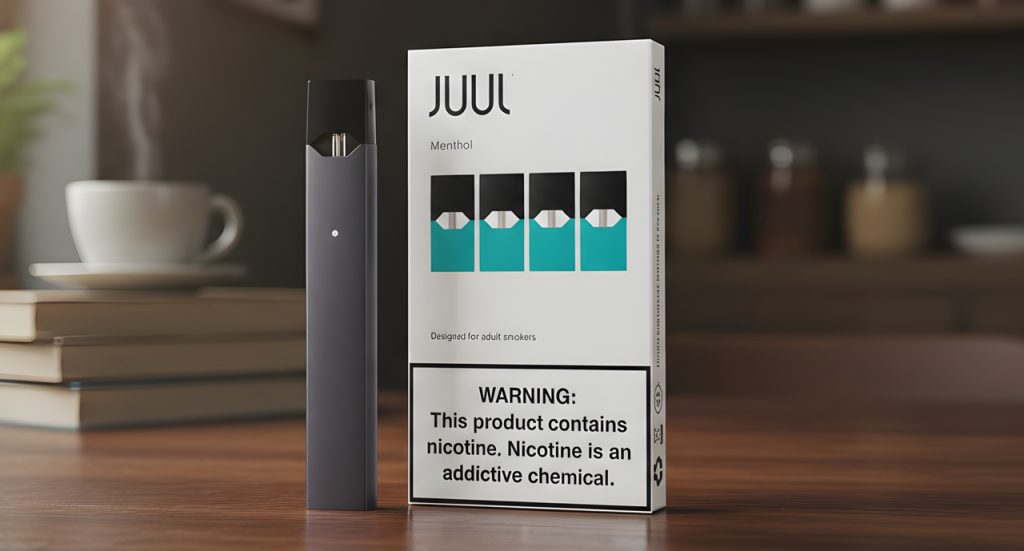
How To Clean Your JUUL E Cigarette For Better Performance
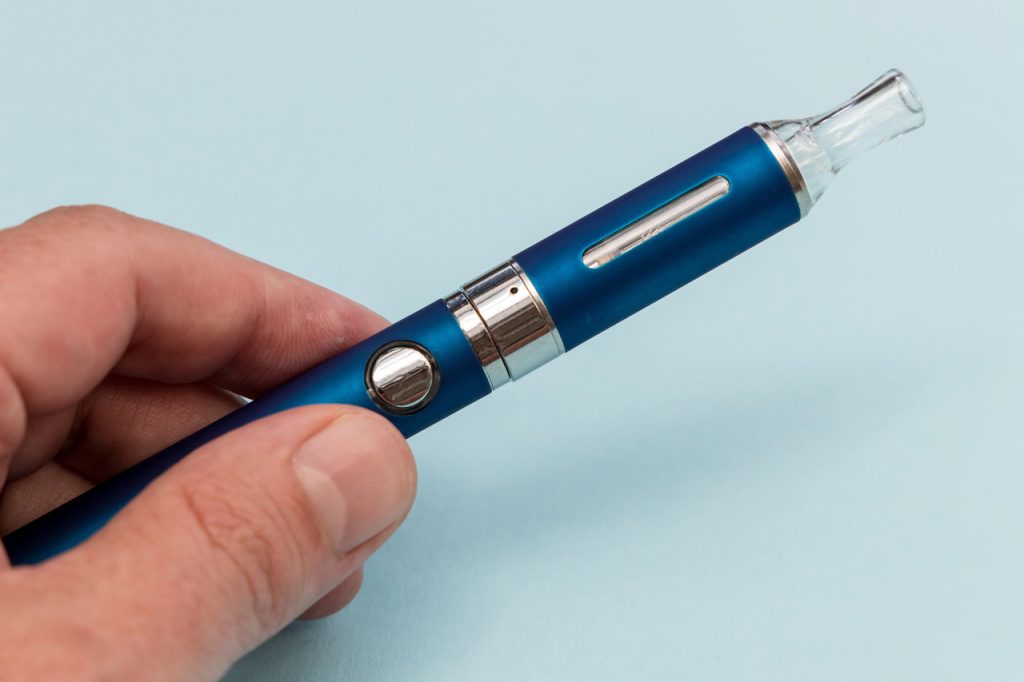
What Are The Differences Between Vape Mods And Pens

What Are The Signs Of A Faulty Mosa Cream Charger Box
Join the Dream Club
Turn every visit into rewards. When you join the Cloud Dreamzzz loyalty program, you’ll unlock exclusive perks, early access to drops, and members-only deals.
Sign up today and start earning with every puff.
Sign Up Now
Visit Our Shop